
Concerns we can assess
Musculoskeletal medicine focuses on your muscles, joints, tendons and related tissues. Your assessment starts with how your symptoms affect you and what you would like to get back to doing.
- Joint pain, including the shoulder, hip, knee, ankle, elbow, wrist and small joints.
- Muscle and tendon pain, partial tendon tears and trigger finger.
- Heel and foot pain involving the plantar fascia, the band of tissue along the sole of your foot.
- Nerve compression, including carpal tunnel symptoms in the hand and wrist.
- Concussions and other sports injuries.
- ICBC-related injuries and work-related injuries. Expedited WCB referrals are accepted.
What to expect at your first visit
We will talk about your symptoms, medical history and goals, then assess the area that is troubling you. Relevant imaging and previous reports help build a clearer picture. Your questions and concerns are part of that conversation.
Dr. Chhina will explain the findings and discuss your options, including the benefits, risks and alternatives of a proposed treatment. An assessment does not mean you need an injection. Together, you can decide on a next step that makes sense for you.
Ultrasound-guided procedures
These procedures are available at both clinics. Ultrasound provides images of the area during treatment to help guide the needle. Whether a procedure is appropriate depends on your assessment.
Joint injections
Intra-articular injections go into the hip, knee, ankle, shoulder, elbow, wrist or small joints.
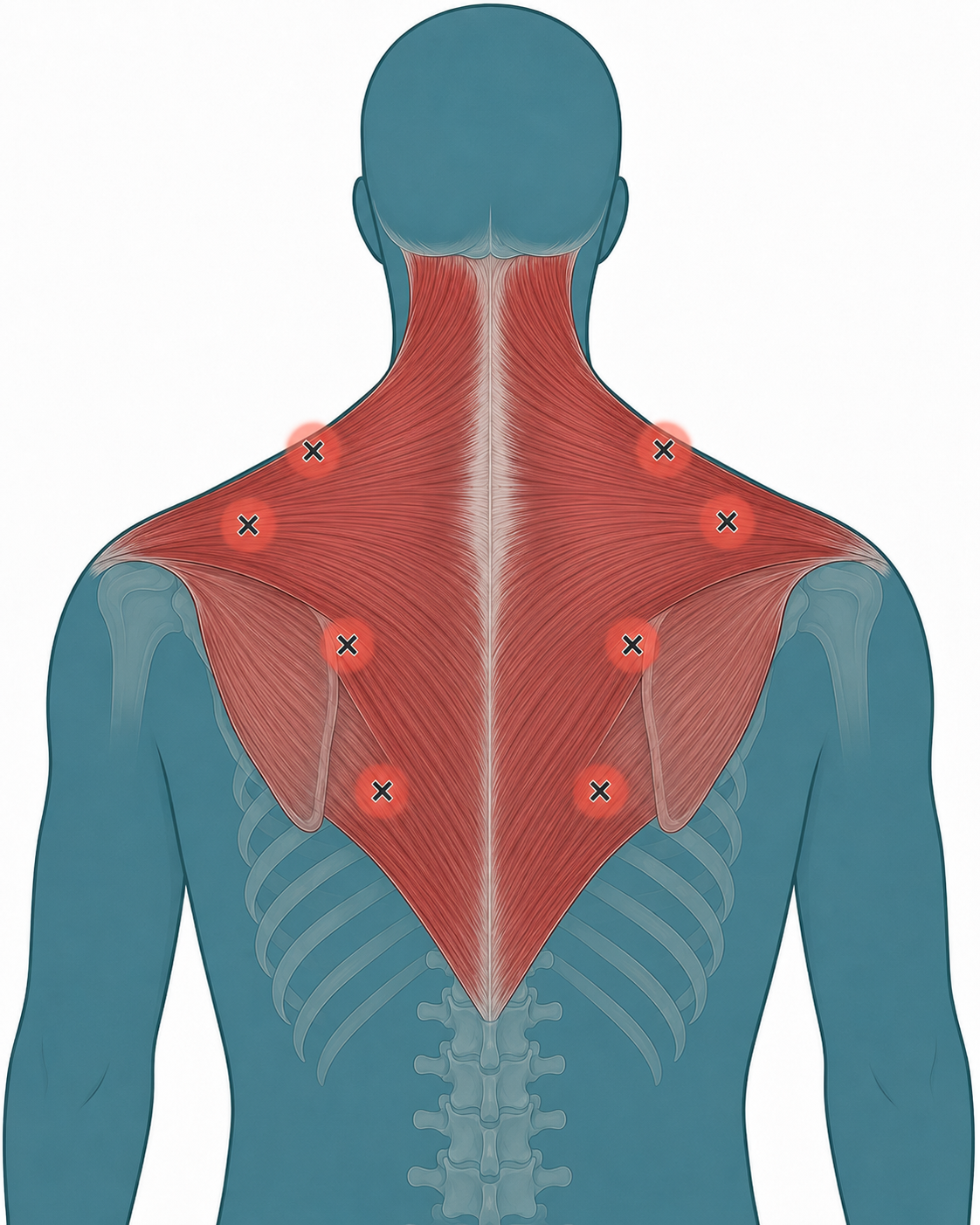
Trigger point injections and myofascial release
Treatment directed at tender muscle areas and the tissues around them.
Percutaneous tenotomy
A needle-based tendon procedure for problems including calcium deposits, trigger finger, persistent tendon changes and partial tears.
Percutaneous fenestration
Small needle openings in affected tissue, used for plantar fascia problems and contractures, where tightened tissue restricts movement.
Barbotage and tendon procedures
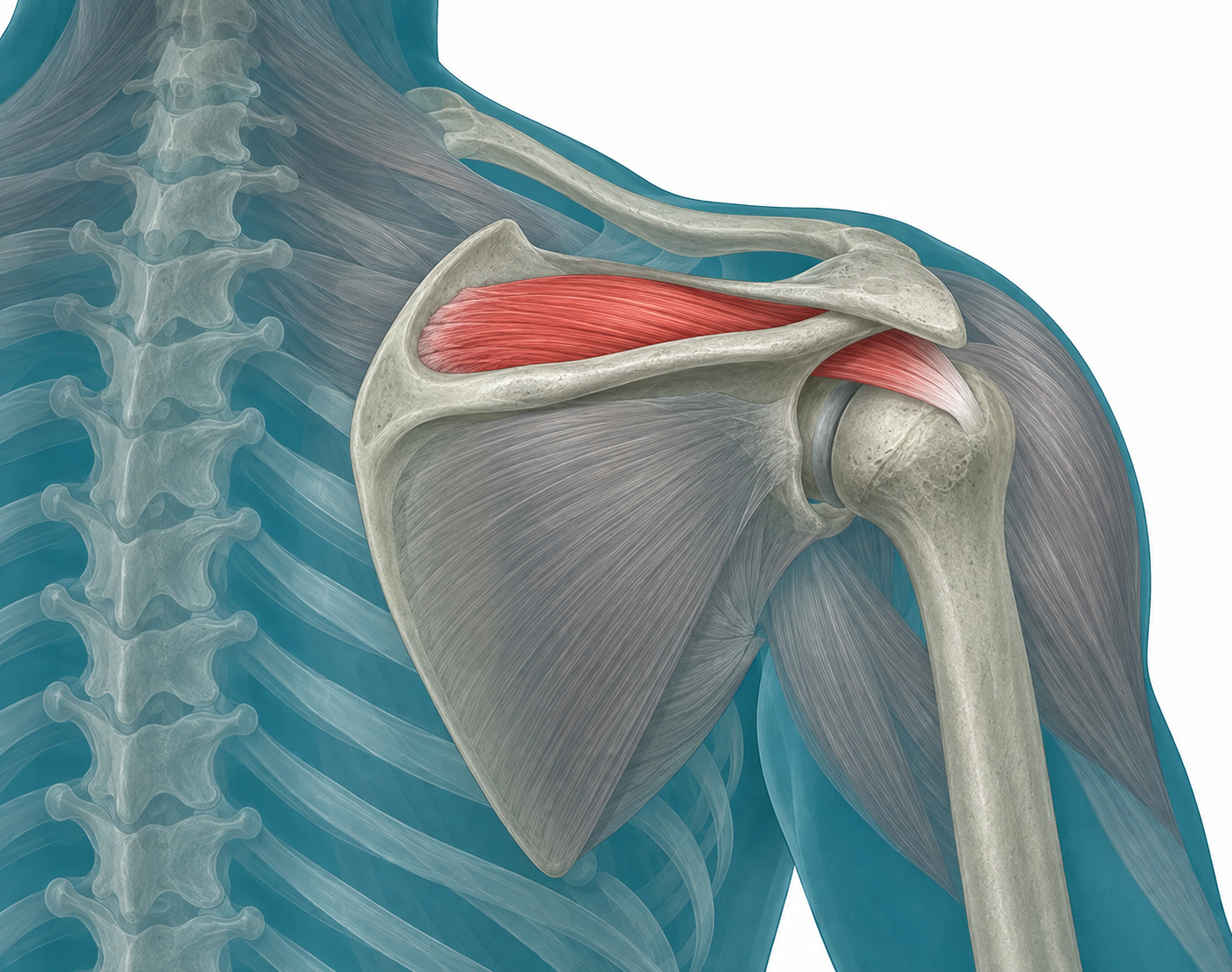
Barbotage and percutaneous tenotomy for rotator cuff and greater trochanteric pain syndromes address problems around the shoulder and outer hip. Barbotage uses fluid to break up and remove calcium deposits.
Shoulder hydrodilatation
Also called distension, this involves fluid injected to stretch the capsule around a stiff shoulder joint.
Entrapment neuropathy injections
Injections around a compressed nerve, including carpal tunnel.
Nerve blocks
Occipital nerve blocks for pain at the back of the head, and carpal tunnel dilation procedures for a compressed nerve at the wrist.
Prolotherapy
Prolotherapy involves injections, commonly with a dextrose solution, around a painful tendon or where it attaches to bone. Dr. Chhina has had great success using prolotherapy in his practice. Your assessment is a chance to discuss whether it may be suitable for you, what it involves, its risks and alternatives, and where treatment would take place.
Knee arthritis
Dr. Chhina offers several injection products for knee arthritis. Your assessment will help determine which, if any, may be appropriate for you:
- Arthrosamid
- Cingal
- Monovisc
- Durolane
Some injections and medications are not covered by BC’s Medical Services Plan (MSP). Your extended health benefits may cover them, depending on your plan. Ask the clinic about costs before treatment and check your coverage with your insurer.
Arrange a referral
Talk with your doctor
Ask your family doctor or GP for a sports medicine referral. Let them know whether you prefer Chilliwack or Vancouver.
Your doctor sends the referral
Your doctor sends the referral to your chosen clinic. They can send a standard referral through their electronic medical record system, with relevant labs, imaging and consultation notes.
We contact you
After receiving your referral, the practice will contact you directly to arrange your appointment and confirm the location.
The current estimated wait for new referrals is 3 to 6 weeks, updated October 2, 2026. Referrals are reviewed first, then we contact you to arrange an appointment. This estimate can change; contact your clinic if you need an update.